
Home › About
About This Site
One question, answered properly: is it done yet?
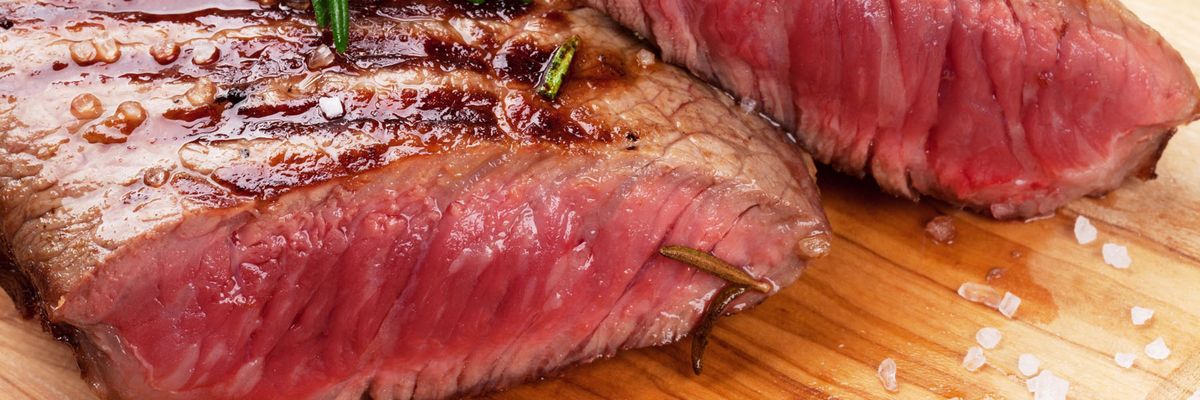
Meat Cook Times, home of the Meat Doneness Calculator, started with a simple annoyance. Looking up a cooking temperature online usually means scrolling past someone's life story to find one number, then finding three different numbers on three different sites. Some still say pork needs 160°F, a number USDA dropped in 2011. Some mix up the temperature you pull meat at with the temperature it should end up at. Hardly any of them tell you where their numbers come from.
This site puts the number first, tells you where it came from, and explains it for anyone who wants more. The calculator gives you a target, a pull temperature and a time estimate in a couple of taps. The guides go deeper on each meat and on the skills behind the numbers: using a thermometer, thawing, storing and reheating. The recipes are written around internal temperature instead of the clock. No life stories. Promise.
Where the numbers come from
Safety temperatures, roasting times, turkey thawing times and storage limits come from the U.S. Department of Agriculture's Food Safety and Inspection Service (FSIS) and from FoodSafety.gov, the federal food-safety site run by the Department of Health and Human Services with USDA, FDA and CDC. Every guide lists its sources at the bottom.
Some numbers on this site are unofficial, and we label them that way:
- Doneness below the safe minimum, like medium-rare steak or salmon at 125°F, is kitchen convention. We include it because that's how most people cook, and we put the USDA minimum right next to it.
- Times for steaks, chops, patties and fish are typical ranges, not USDA figures, because USDA's charts only cover oven roasting. They're there to tell you when to start checking.
- Barbecue finish temperatures (brisket at 195–205°F, for example) are about tenderness, not safety, and come from common barbecue practice.
How we keep pages current
Each guide shows the date it was last reviewed. We recheck pages against the current FSIS and FoodSafety.gov charts when those sources change, and at least once a year. If you spot a number that doesn't match the official source, or something that's just plain wrong, tell us. We fix it fast and update the review date.
What this site isn't
This is a cooking reference, not medical advice. Food-safety guidance is written for the general public. If you're pregnant, immunocompromised, older, or cooking for young kids, stick to the official minimums and talk to your doctor about anything specific to your health.
How the site pays for itself
Meat Cook Times is free to use and supported two ways:
- Advertising. Pages may show ads served by Google. Ads never change the temperatures or recommendations on a page.
- Affiliate links. The gear page links to products on Amazon. As an Amazon Associate, we earn from qualifying purchases at no extra cost to you. We don't take free products or paid placements.
The details are in the privacy policy.
Related site
Need to turn cups into grams or Fahrenheit into Celsius before you get to the meat? Our sister site, kitchenconversion.info, handles kitchen measurement conversions.